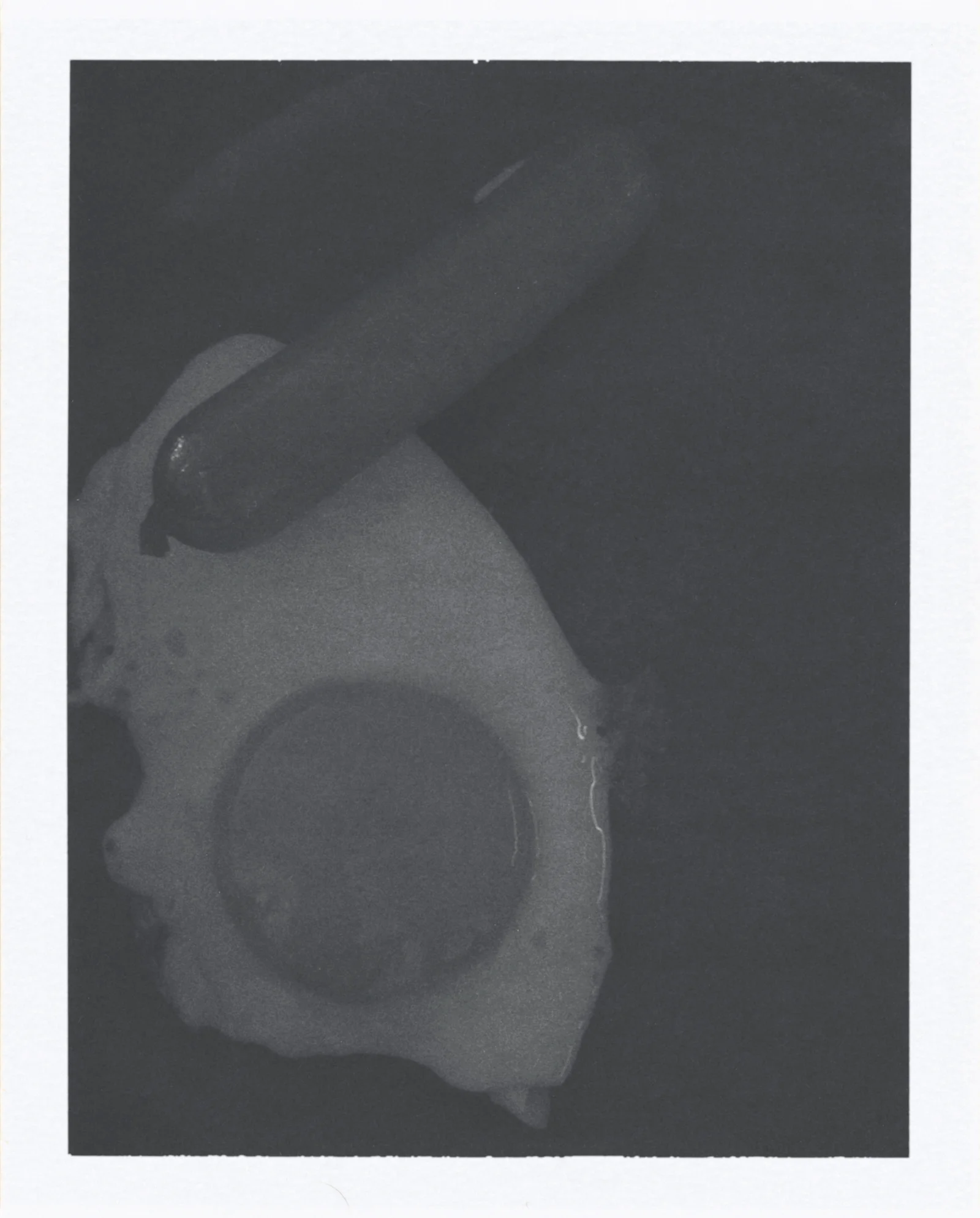
This series investigates the aesthetic and conceptual status of the ordinary. Through ten monochrome images, the work forms a sustained inquiry into attention, duration, and place — proposing that the minor subject is not a consolation for the absence of spectacle, but the site where photographic meaning is most precisely made.
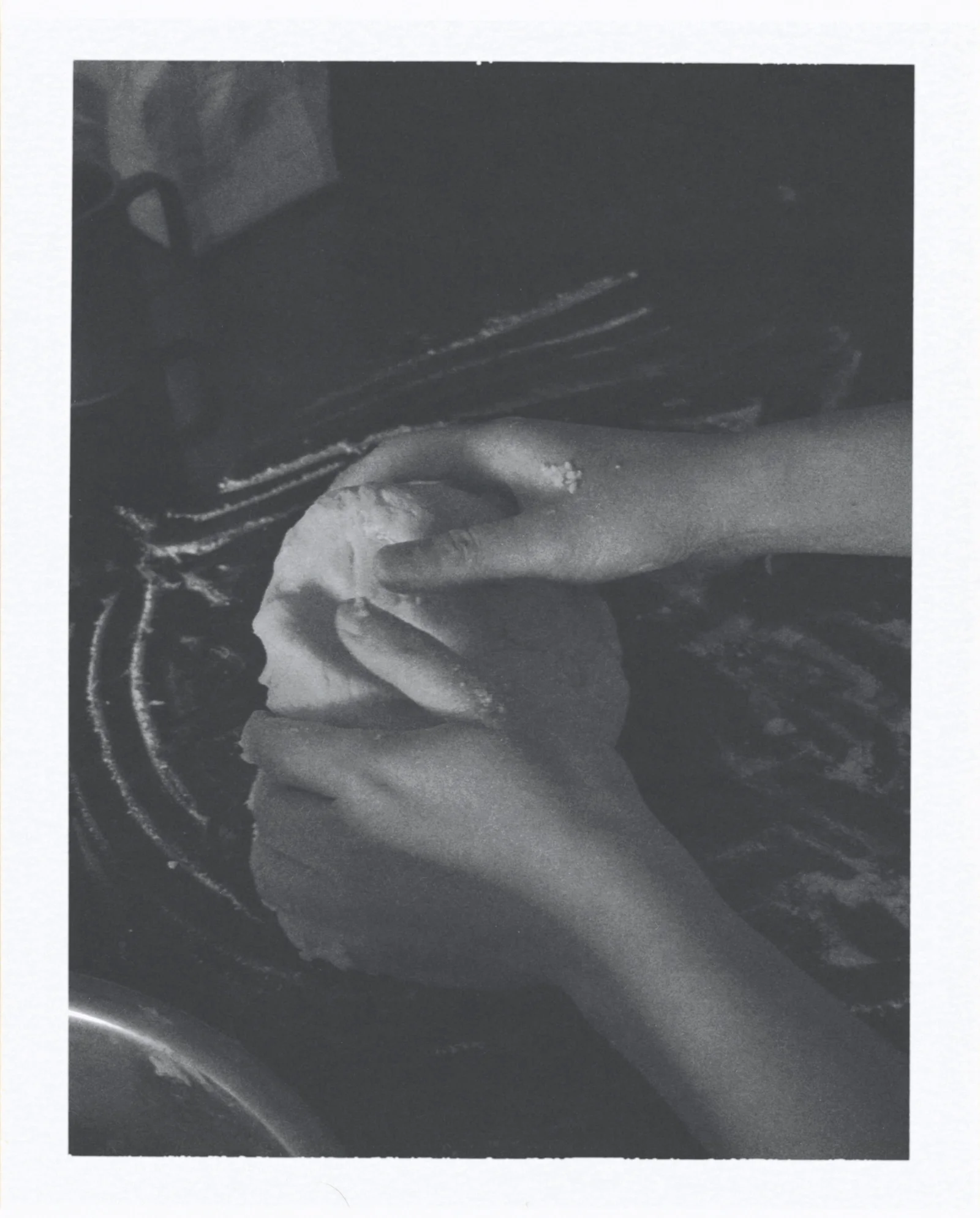
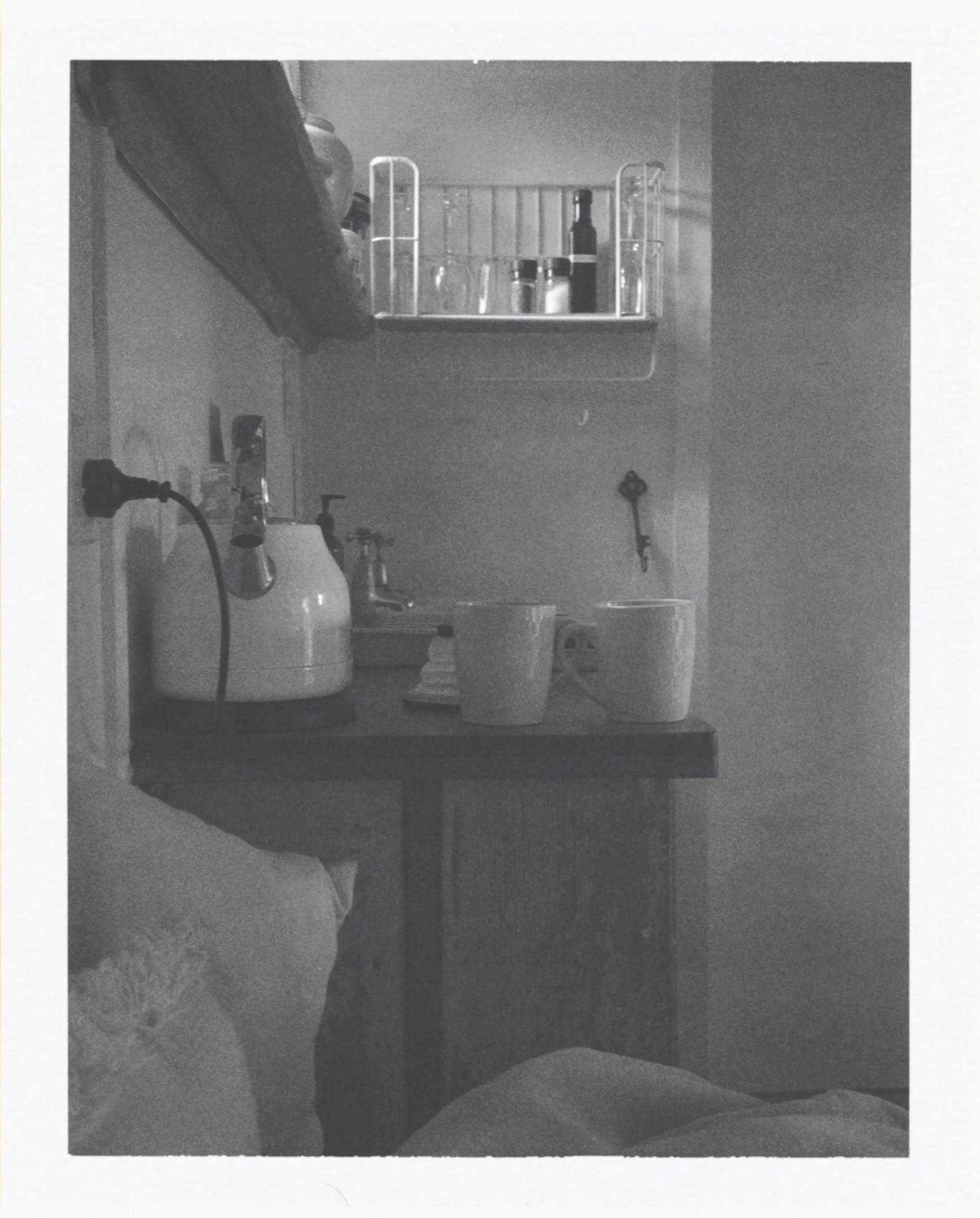

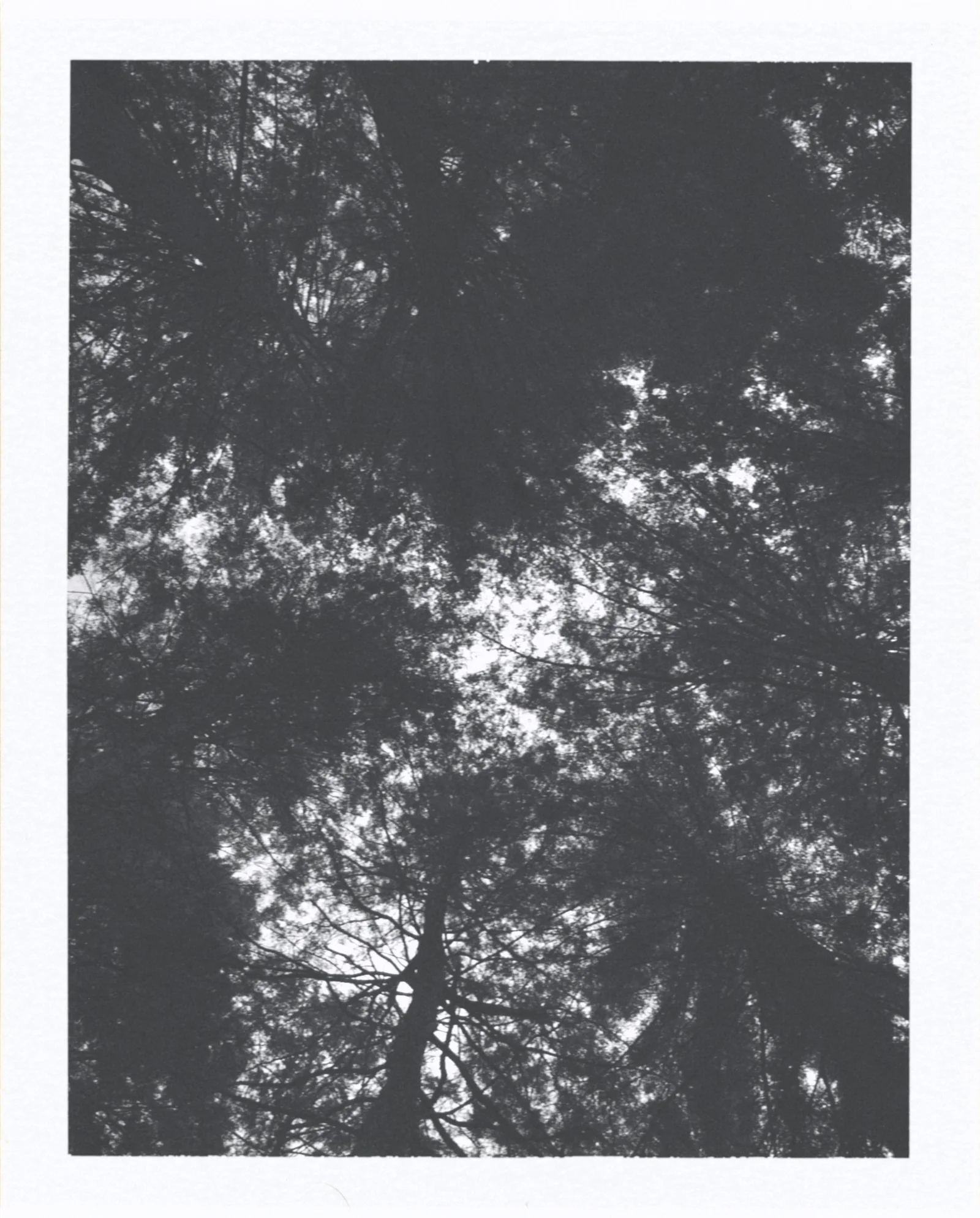
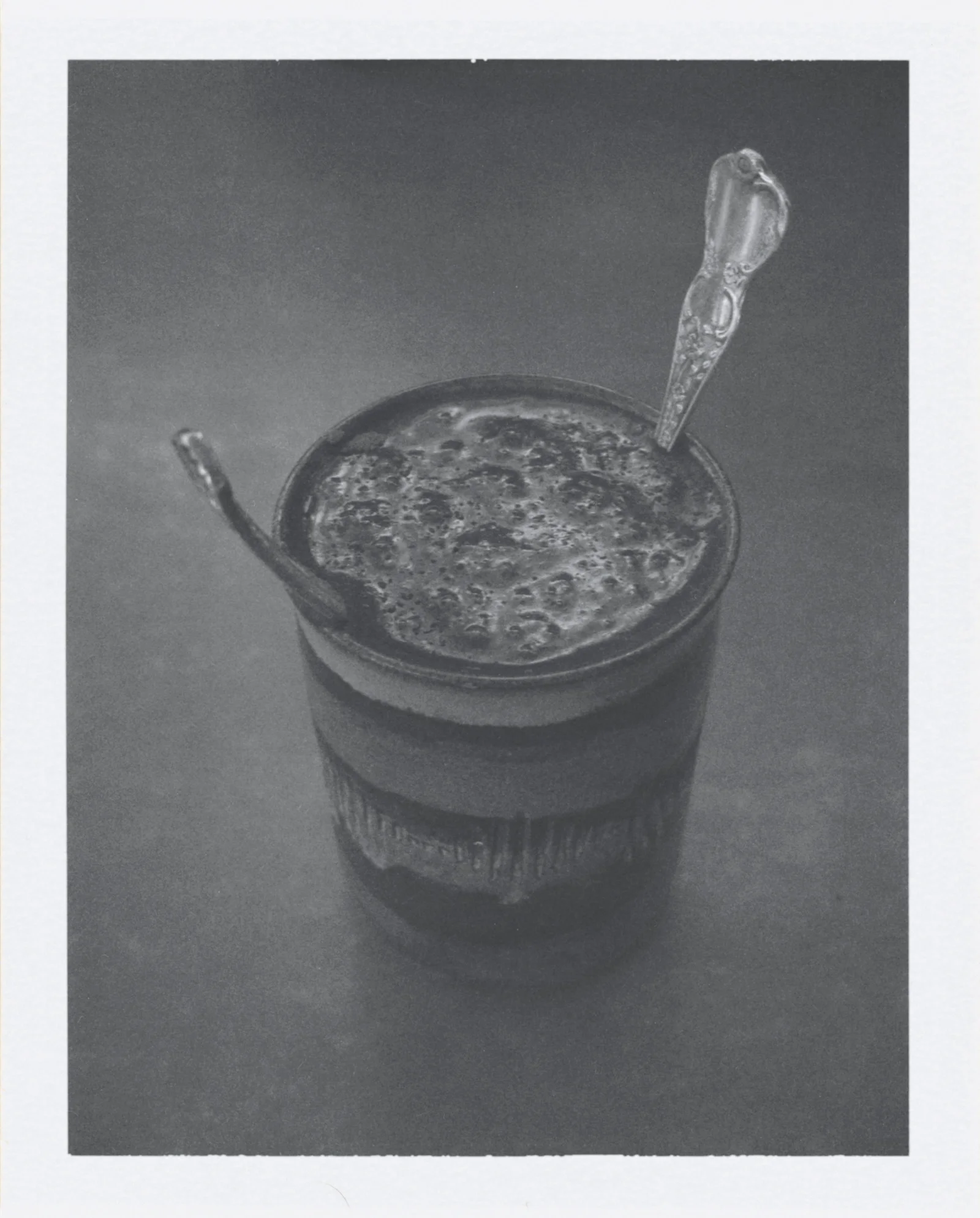
Five sections of critical context, from Barthes and Walker Evans to Bachelard's Poetics of Space. The statement accompanies the series and the mini book edition.
Photography has always negotiated the tension between the objective and the subjective — between the camera as a mechanical recorder of light and the photographer as a maker of meaning. As Roland Barthes observed in Camera Lucida (1980), the photograph bears a fundamental relationship to its referent — it is an emanation of past reality — yet it is precisely this quality of pastness, of the moment captured and stilled, that charges even the most banal subject with affective weight.¹
Walker Evans, working in the 1930s and 1940s, established an aesthetic of the documentary vernacular in which quotidian objects — storefronts, kitchenware, interiors — were accorded the same careful formal attention as traditionally elevated subjects.² Saul Leiter, working in New York from the late 1940s onward, extended this sensibility by embracing peripheral vision, partial framing, and a deliberate ambiguity of subject, allowing the margins of experience to become the image's actual subject.³
Stephen Shore's Uncommon Places (1982) remains a touchstone for how deadpan, unheroic documentation of built and domestic environments can function as rigorous aesthetic practice.⁴ Shore demonstrated that the formal choices embedded in any photograph — angle, framing, depth of field, tone — are never neutral, and that the photographer's position is always also an epistemological one.⁵
To photograph the small thing with full attention is a political act of sorts: it insists that scale is not the same as significance.
The decision to work exclusively in black and white is a methodological one. As Charlotte Cotton argues in The Photograph as Contemporary Art (2004), monochrome photography invokes a set of historical and aesthetic associations that colour cannot, positioning the work within a tradition of serious photographic inquiry and encouraging a reading that foregrounds form over description.⁶
Colour, Susan Sontag noted in On Photography (1977), tends to naturalise the image — to make it appear more real, more immediately readable.⁷ Removing colour is therefore a defamiliarising gesture: it slows the viewer down, requires closer attention to tonal gradation and texture, and insists on the image's status as a constructed artefact rather than a transparent window onto the world.
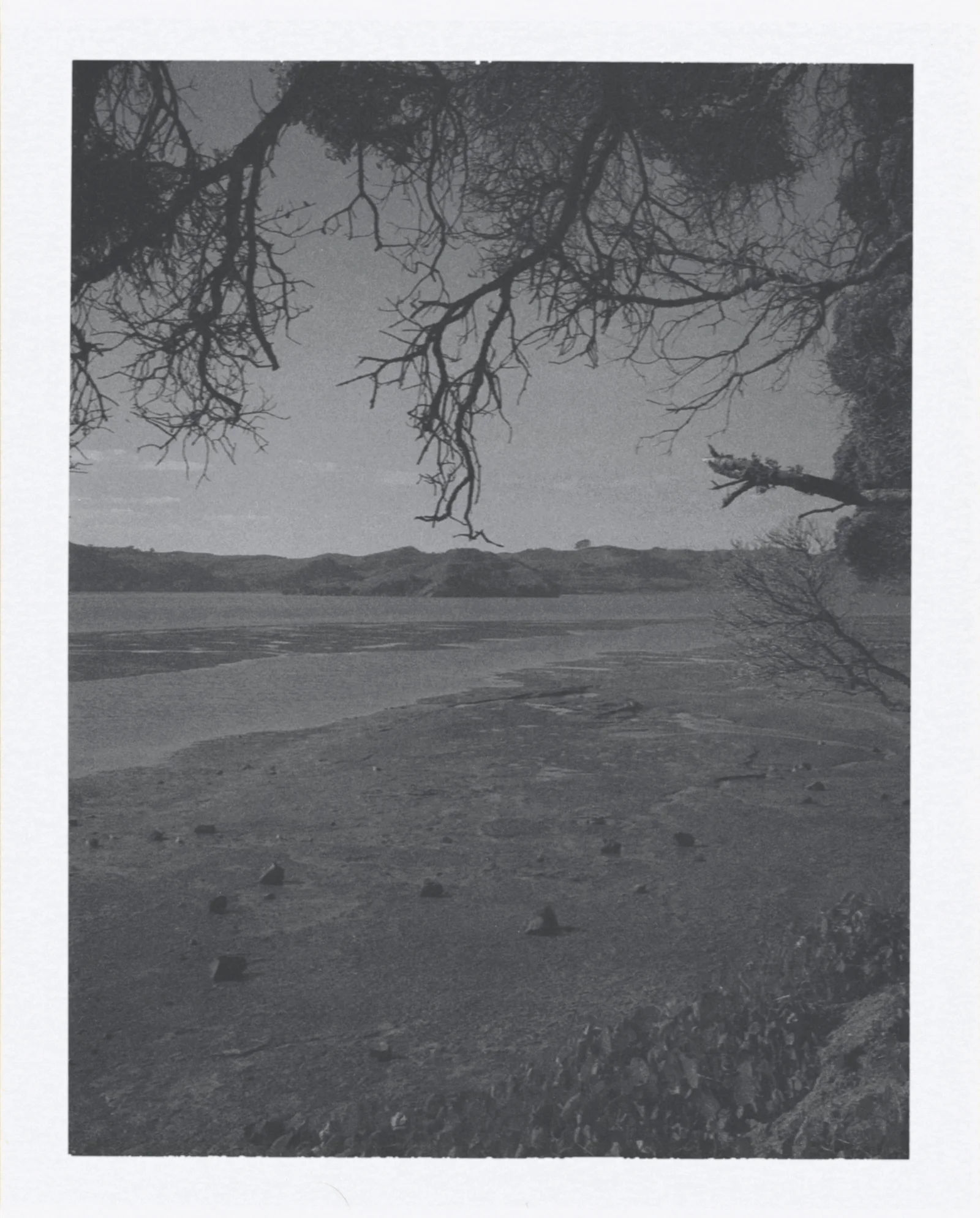
The choice of monochrome also enables a continuity across the series' distinct geographies. Auckland, Coromandel, and Raglan produce very different kinds of images — the city close, dense, and interior-facing; the coast open, atmospheric, and spatially expansive — but in black and white these differences become a formal rhythm rather than a rupture.
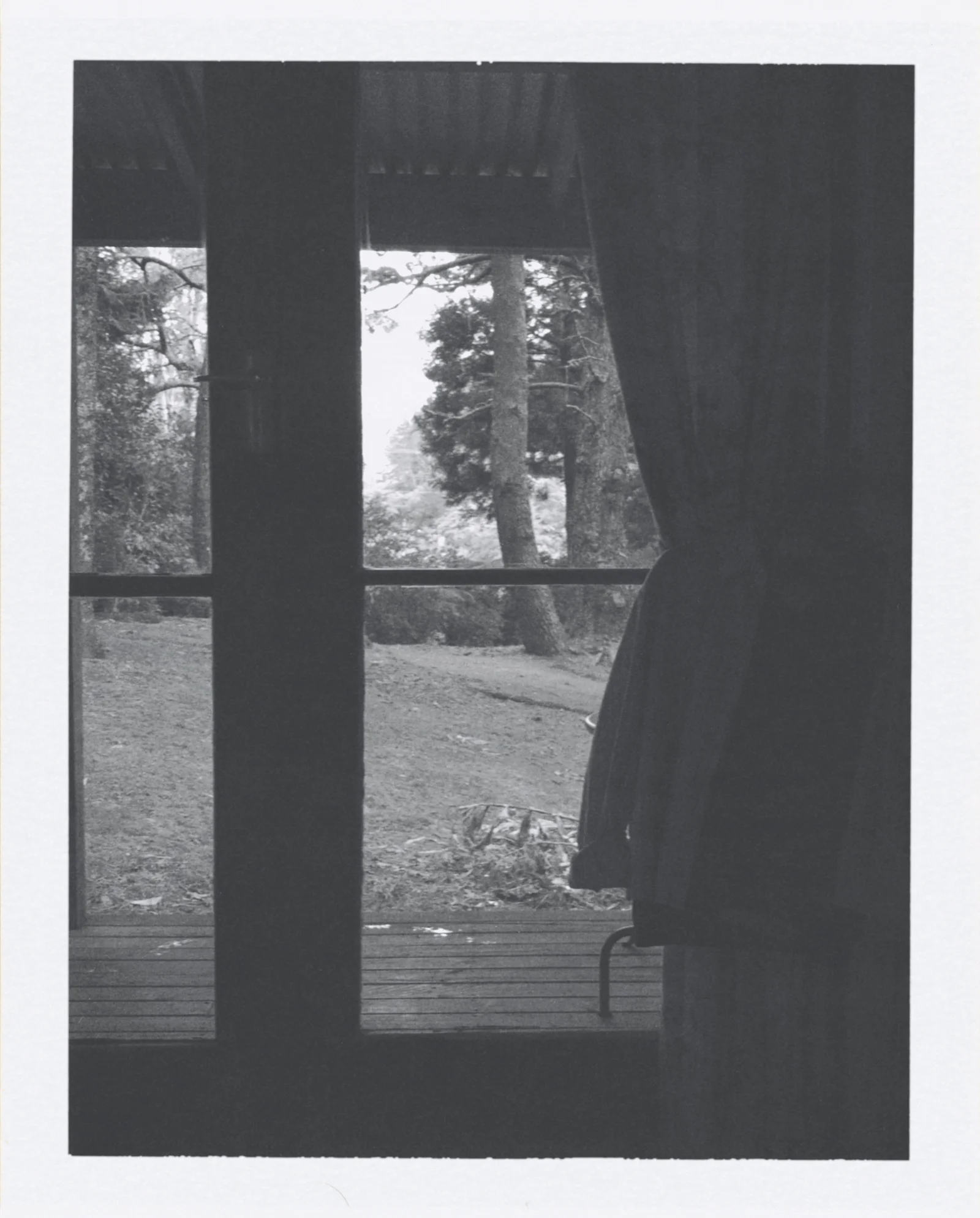
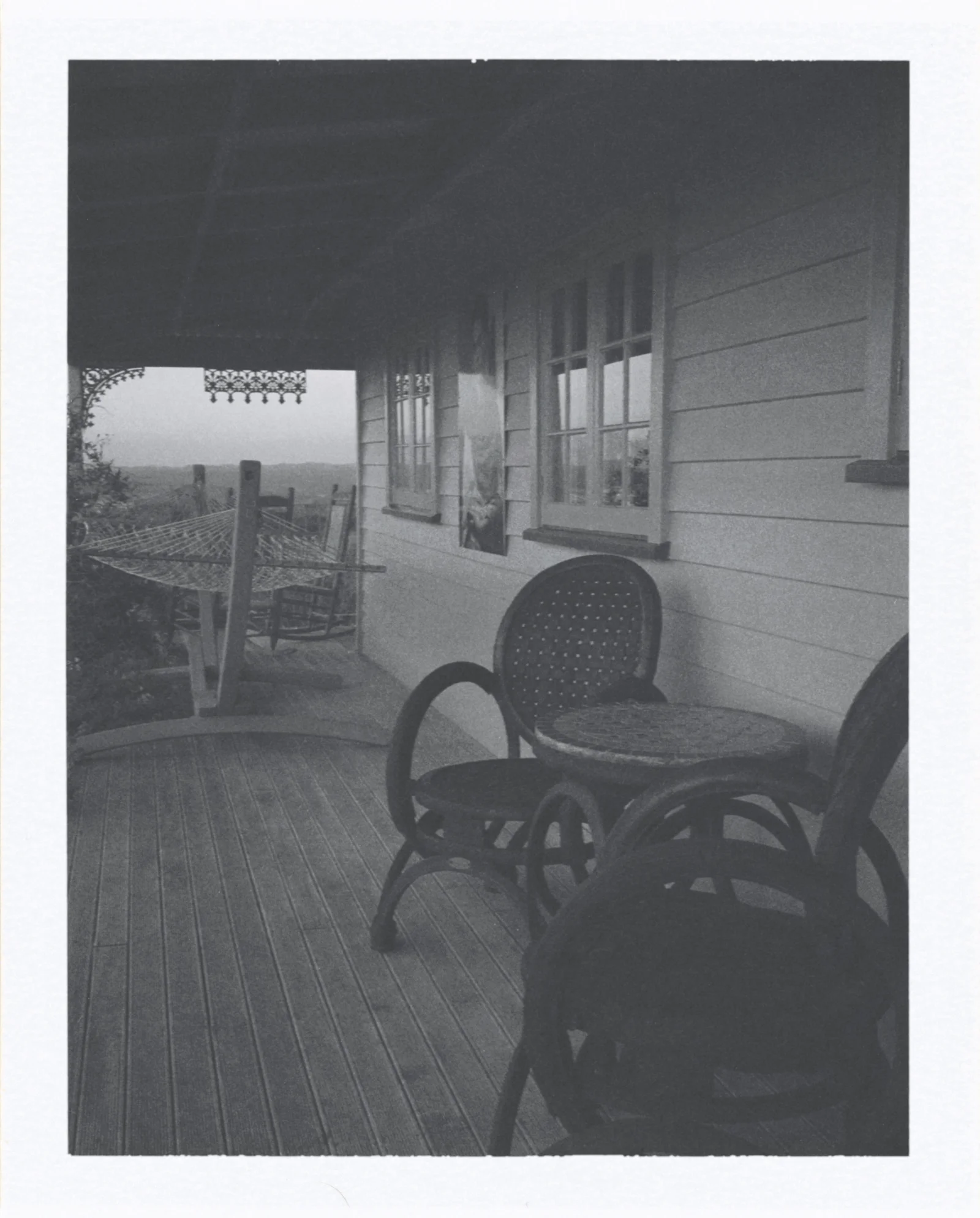
A recurring structural motif in the work is the threshold: doors that open onto trees, verandahs that face hillsides, windows that negotiate interior and exterior. László Moholy-Nagy's writings on the New Vision (1925–1930s) proposed that photography's true potential lay in its capacity to reorient the human eye — to produce views from above, below, and through that conventional vision denied.⁸
The threshold images in this series ask the viewer to consider how architectural space mediates the experience of the natural world. In this, they are in conversation with the landscape photography of Robert Adams, whose work in The New West (1974) proposed that the relationship between built and natural environments is never resolved but always contested, always in a state of mutual negotiation.⁹
The use of an iPhone 17 as the sole instrument of image-making requires critical attention. Smartphone photography is frequently dismissed within fine art contexts as insufficiently intentional. This dismissal is, however, increasingly untenable. As the philosopher and media theorist Vilém Flusser argued in Towards a Philosophy of Photography (1983), the photographic apparatus always shapes the image it produces, and the photographer's critical task is to work against the apparatus — to produce images that exceed or resist its programmatic tendencies.¹⁰
Moreover, the intimacy of the iPhone as an object — carried on the person, always available, embedded in the rhythms of daily life — enables a kind of photographic attention that a larger, more ceremonious camera would inhibit. The images in this series were not planned; they arose from a habitual, exploratory practice of looking, one in which the device's ubiquity became a precondition for the work's honesty.
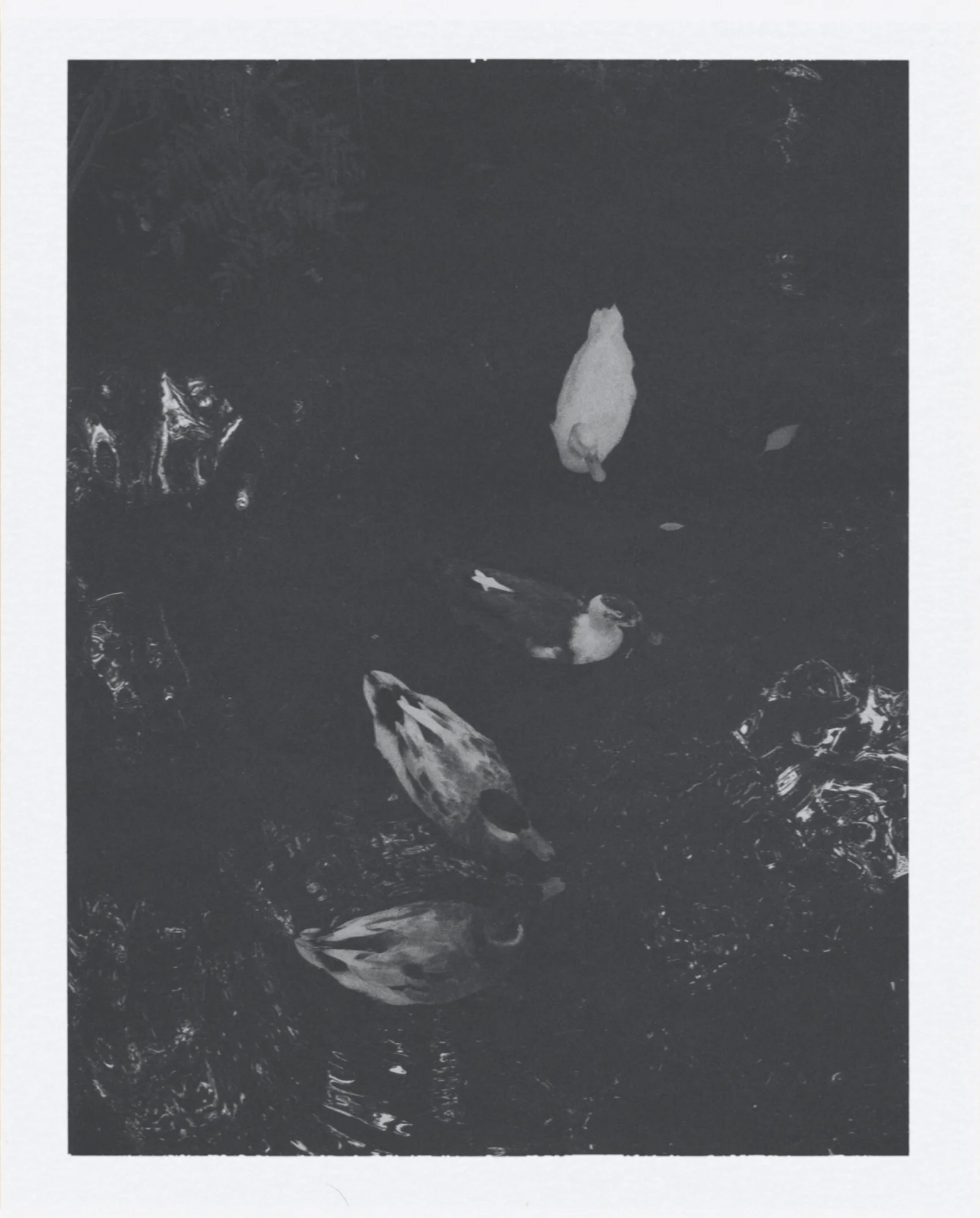
The series ultimately proposes a thesis about scale: that significance is not commensurate with size, that the minor subject — the ivy claiming the stone wall, the ducks at the water's edge, the bare branches against a winter sky — is not a lesser subject but a more precise one.
This position has an explicit philosophical lineage. In The Poetics of Space (1958), Gaston Bachelard argued that the miniature is not a diminishment of the world but an intensification of it, a form through which the imagination accesses depths that the vast and the grand foreclose.¹¹ To photograph smallness with full attention is, in this sense, not a modest ambition but a demanding one — a commitment to the proposition that the world, looked at closely enough, does not run out.